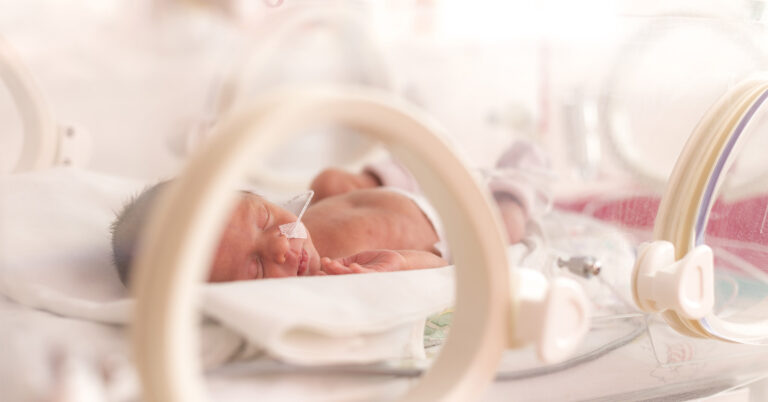
Erb’s palsy birth injuries can have serious, life-long consequences.
In some cases, these injuries result from medical malpractice.
What is Erb’s palsy?
Erb’s palsy is a common birth injury. It affects the brachial plexus, a cluster of five nerves located in an infant’s neck. These nerves relay messages from the spinal cord to the arm, elbow, wrist and hand.
When an infant’s arm, shoulder, neck or head is pulled with undue force during the birthing process, the nerves can stretch, rupture or tear.
The damage, also known as brachial plexus palsy, may lead to temporary or permanent paralysis of the affected arm.
Erb’s palsy symptoms and prognosis for mild to severe damage
In most cases, the injury naturally resolves within a few months. However, there are instances of more severe nerve damage that can lead to life-long disability.
The extent of the injury determines the symptoms and prognosis.
Mild cases are characterised by tingling or numbness of the affected arm. The symptoms usually disappear on their own.
When the injury is more acute, it can permanently impair the movement, flexibility and physical appearance of the arm and hand.
Symptoms commonly associated with Erb’s palsy include:
- reduced grip strength
- limited motion of the arm
- numbness or weakness in the arm
- arm hangs down and the wrist is flexed, rather than straight
- stunted growth leading to a visibly smaller arm
- total or partial paralysis of the arm.
Types of brachial plexus injuries
There are four types of brachial plexus injury based on the level of damage to the nerve.
Neuropraxia occurs when the nerve is stretched. It’s the least severe injury and results in a stinging sensation to the affected arm. It typically resolves within two to three months.
Neuroma is caused by more excessive stretching of the nerve. This type of injury usually results in the formation of scar tissue, which negatively impacts other healthy nerve clusters. Surgery and physical therapy may help with partial recovery.
Rupture is when the nerve is torn. This type of injury cannot heal on its own. It requires major surgery.
Avulsions occur when the nerve is torn away from the spinal cord. It’s the most severe type of injury. It causes multiple symptoms, ranging from muscle weakness and permanent paralysis of the arm to drooping eyelids and difficulty breathing. Surgery may help the arm regain limited mobility.
Erb’s palsy birth injuries and medical malpractice
Erb’s palsy birth injuries may be the result of medical malpractice.
When an obstetrician, doctor or midwife fails to act appropriately, or acts in a way that results in damage to the brachial plexus, it may constitute medical malpractice.
A healthcare professional can be considered negligent if he or she:
- failed to perform a Caesarean section when there were clinical indications of a complicated labour
- applied unnecessary force during delivery
- did not follow protocols for shoulder dystocia – manipulations used to free an infant stuck in the birth canal
- misused an instrument, such as forceps or a vacuum extractor, during delivery
- failed to establish the weight and size of a large infant prior to delivery.
Erb’s palsy claims in South Africa
Infant K vs. Department of Health North West Province
In 2003, infant K suffered traumatic birth injuries that resulted in the total paralysis of his right arm and hypoxic brain damage.
The court found Erb’s palsy was as a direct result of the infant being forced out of the birth canal. As a result of the injury, K was disfigured and would never have use of his dominant right arm.
The court awarded total compensation of R5,647,274 – R4.6 million in respect of loss of earnings, R847,274 to cover future medical expenses and R1.2 million in general damages.
Msawenkosi Mene vs the East Cape Provincial Health Department
Mene, an adult plaintiff born in 1994, instituted a claim for damages on the basis the defendant failed to assess and monitor the labour properly.
This failure resulted in delivery by vacuum extraction, rather than Caesarean section. The vacuum extraction method caused injury to Mene’s right arm, resulting in Erb’s palsy.
At the time of the birth, the defendant failed to detect the injury and did not refer the plaintiff for surgery. Mene has a permanently atrophied right arm.
The court found in favour of the plaintiff. It ordered the defendant to pay damages proven by Mene in court, or as agreed between the parties in an out-of-court settlement.
How to pursue a medical malpractice claim for Erb’s palsy
A medical malpractice claim is lengthy and legally complex.
The onus is on the plaintiff to prove that a doctor, hospital or clinic made a medical mistake that caused brachial plexus injury to an infant.
For a successful claim, it’s strongly recommended that you use the services of an attorney who specialises in personal injury litigation.
How DSC Attorneys can help
At DSC Attorneys, we specialise in medical malpractice claims, including claims for Erb’s Palsy birth injuries. Our personal injury attorneys and medico-legal team can assess your claim, help prepare supporting evidence and represent you in legal proceedings, giving you the best chance of receiving the compensation you deserve.
We work on a no win, no fee basis. Contact us for the very best legal support and representation.