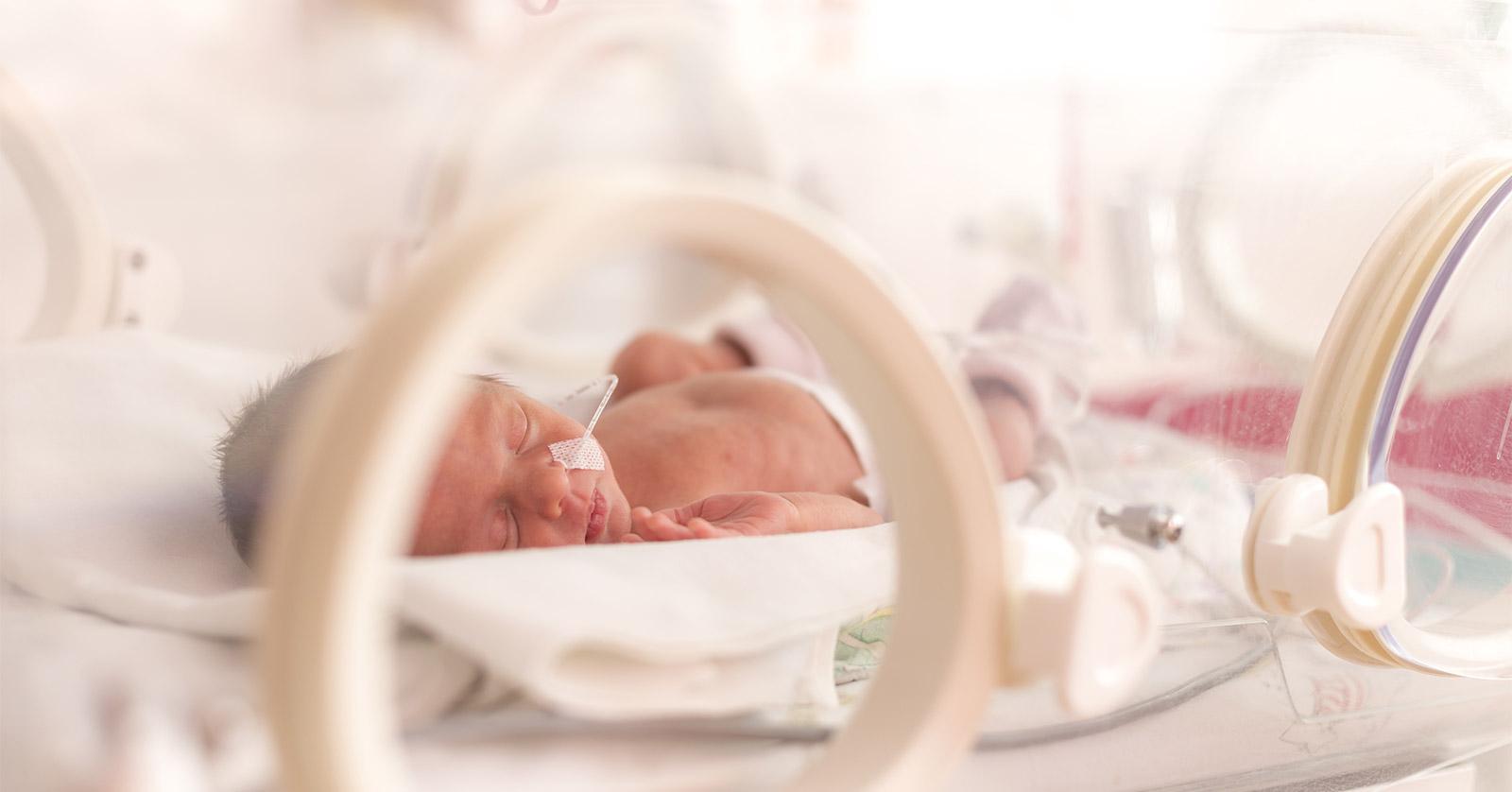
Kernicterus is a serious neurological condition caused by untreated jaundice in newborns. It can lead to cerebral palsy, permanent brain damage and other lifelong complications.
Because jaundice is relatively straightforward to identify and treat, many medical experts consider kernicterus to be largely preventable – and often the result of medical negligence.
What is kernicterus
Kernicterus, or bilirubin encephalopathy, is a complication arising from severe jaundice in newborns. It occurs when waste product is deposited in the baby’s blood and enters the brain tissue.
This waste product is yellow and known as bilirubin. In adults, bilirubin is processed by the liver and evacuated in the stool.
In newborns, the liver is not fully developed. When the bilirubin level is very high, the baby’s skin, whites of the eyes and soft tissue go yellow. The yellow colour suggests extreme jaundice, an early-stage symptom of kernicterus.
Potential neurological consequences
If not treated quickly, kernicterus can manifest in a range of long-term neurological issues.
Bilirubin is toxic and can lead to hearing loss and irreversible brain damage. Serious conditions such as cerebral palsy and autism spectrum disorders are complications arising from kernicterus.
Poor cognitive development, involuntary twitching and difficulty maintaining normal eye movements are also long-term effects.
When is kernicterus caused by negligence?
Medical negligence is the failure of healthcare providers to meet the accepted standards of care.
When neonatal jaundice is undetected, or not treated according to widely accepted medical protocols, negligence is the probable cause of kernicterus.
Worldwide, the standard practice is to screen all newborn babies for jaundice.
When jaundice is identified and the bilirubin level is high, rehydrating the baby and conducting phototherapy is the treatment norm.
If that does not resolve the issue, or the bilirubin level is dangerously high, an immediate blood exchange transfusion (BET) is required.
Cases of medical negligence involve a failure to adhere to the generally accepted protocols. For example, they may involve failing to monitor a newborn, to recognise the signs of jaundice or to initiate the correct medical intervention.
When a baby’s bilirubin level isn’t adequately tested or there is a lengthy delay in starting the appropriate treatment, negligence is nearly always considered the probable cause of kernicterus.
Kernicterus claims in South Africa
N vs the Gauteng MEC of Health
During a routine check-up in 2013, baby U was diagnosed with severe neonatal jaundice. She was initially treated at the district hospital.
A high bilirubin level prompted the doctor to request an ambulance to transfer baby U to a provincial hospital, located 12 km away. The ambulance arrived five hours later.
On admittance, the infant was considered stable, despite a dangerously high bilirubin level and symptoms of late-stage kernicterus.
The required treatment, a blood exchange transfusion, was only conducted the following afternoon, using sub-standard donor blood and incorrect medical protocols.
A second BET was carried out, resulting in the baby’s collapse and subsequent resuscitation.
According to expert witness testimonies, the five-hour delay in transferring the patient and time it took to perform the first BET, were the likely causes of baby U’s catastrophic brain damage.
The court granted the plaintiff’s claim for damages, with costs. Quantum is yet to be decided.
MM vs Eastern Cape MEC for Health
In 2010, medical staff detected jaundice in a newborn baby boy 37 hours after birth. As the bilirubin in the infant’s blood was very high, the required procedure would have been an immediate blood exchange transfusion.
Blood was not available and only ordered the next day. Hospital staff opted for an alternative treatment in an effort to reduce the bilirubin level. The treatment was unsuccessful.
The child was transferred to a private hospital. A BET was conducted but failed to prevent brain damage resulting in cerebral palsy.
In the judgement, the court found the staff at the public hospital had failed to provide treatment according to the medically accepted norms and standards. They had failed to order the blood once jaundice had been detected.
These delays caused harm to the baby, and amounted to medical negligence. The judge ruled in the plaintiff’s favour.
PG vs the Gauteng MEC for Health
The failure to inform and properly educate a mother of the potential risks to her newborn baby was considered negligent by the Johannesburg High Court in 2017.
Accepted norms suggest that hospital staff are duty-bound to direct a mother to have her baby examined by a qualified healthcare professional on or before the third day of life.
In this case, mother and child were discharged on day two. The mother testified that she was not told to have the infant examined.
On day five, the baby was not sucking normally. On day six, severe jaundice was detected at a local clinic, and the infant was admitted to hospital.
Despite interventions by hospital staff, the child suffered irreversible brain damage caused by kernicterus and has cerebral palsy.
The court found the likely cause of the cerebral palsy was the fact that the infant had not been examined on day three.
Experts agreed that by the time the child was admitted to hospital, damage to the brain had already occurred. The defendant was found liable for damages and costs.
£10 million settlement for kernicterus claim in the UK
Negligence claims involving kernicterus are not isolated to South Africa.
In the UK, a settlement of £10 million was paid to a claimant who suffered neurological injury, and subsequent cerebral palsy, due to medical negligence.
In this case, staff were found to have failed to assess and treat the newborn’s jaundice timeously. Had they done so, the injury would in all likelihood have been avoided.
Claiming compensation for kernicterus in newborns
If a newborn suffers injury as a result of a negligent act or omission, there may be grounds to seek compensation. The onus is on the claimant to prove liability by presenting evidence of the wrongdoing.
In these types of claims, a doctor, medical practice or hospital can be held legally responsible for their actions or those of their employees.
If the incident occurred in a public healthcare facility, the State – represented by the MEC for Health in that province – assumes vicarious liability and can be held responsible for negligent actions by any employees.
Claimable damages include compensation for past and future medical expenses, emotional trauma, future diminished earning capacity, and any other expenses incurred by the claimant in relation to the injury.
How to proceed with a medical malpractice claim
Medical malpractice claims are complex and require the expertise of an experienced personal injury attorney. A suitably qualified lawyer is equipped to assess the viability of your claim, gather the necessary evidence and negotiate a fair settlement – or pursue the matter in court if needed.
At DSC Attorneys, our medico-legal team has extensive experience in handling medical malpractice claims, including those involving kernicterus in newborns.
We can assess your claim, help prepare supporting evidence and represent you in legal proceedings, giving you the best chance of receiving the compensation you deserve. We work on a no win, no fee basis.